Practical SEO for Small Businesses: What Actually Works in 2025
Running a small business in a city like Mumbai means every rupee works hard. You spend on inventory, on rent, on staff. Marketing often gets the leftovers. And yet, when someone searches for your service on Google, you want to be the one they find. That is where SEO for small businesses stops being a buzzword and becomes a real cost-saving strategy. It is not about ranking for every possible term. It is about showing up for the searches that matter, the ones that turn into calls and walk-ins.
I have seen too many small business owners throw money at ads, then turn around and ask why their organic traffic never grew. The honest answer is that SEO is not a one-time setup. It is a process of small, consistent decisions. But the payoff is that once you earn a position in search results, you do not have to keep paying for every click. That changes your margins dramatically.
Start With What You Already Have
Before you buy any tool or hire a consultant, take a hard look at your current site. Most small businesses run on platforms like WordPress, Shopify, or Wix. Each of these has built-in SEO settings that are often left on default. Log into your Google Search Console account and see which pages Google has actually indexed. You might be surprised. I once worked with a boutique in Khar that had 40 product pages but only 5 were indexed. The rest were blocked by a stray line of code.
Fix the basics first. Check your page titles. Make sure every page on your site has a unique title tag that describes what that page is about. Use a plugin like Yoast SEO if you are on WordPress. It is not perfect, but it catches the obvious mistakes. For Shopify stores, the built-in SEO fields work fine once you fill them in. Do not leave them blank.
Local SEO Is Your Fastest Win
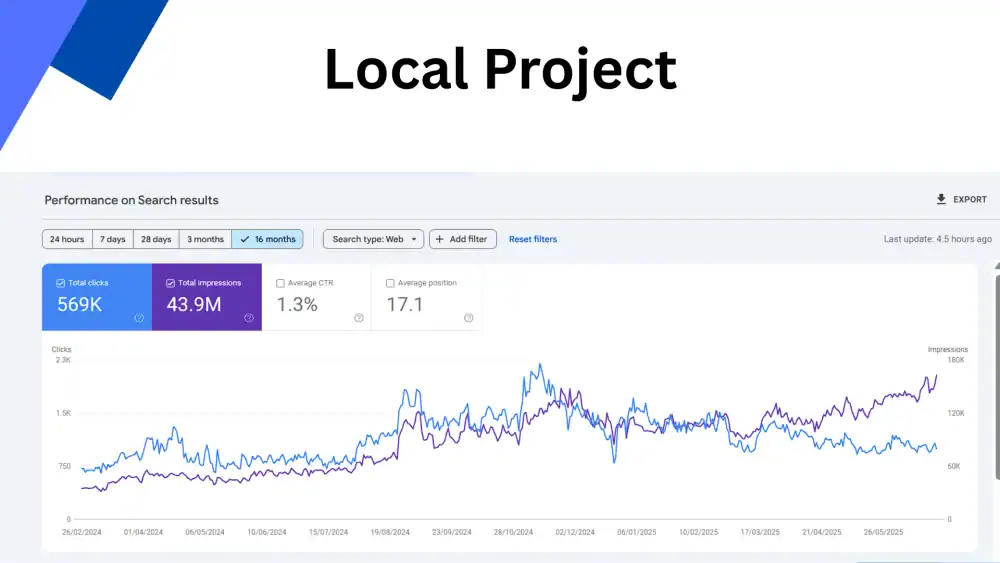
If your business serves a specific area, local SEO should be your top priority. Claim and verify your Google Business Profile (formerly known as Google My Business). Fill out every field: hours, address, phone number, services, and photos. Update it when your hours change during holidays. Respond to reviews, both good and bad. Customers notice that.
Listings on Yelp and other local directories also matter. Consistency is key. Your business name, address, and phone number must match exactly across all platforms. Use a tool like BrightLocal to audit your citations if you have the budget. If not, do it manually. It is tedious but effective.
For a business in Mumbai, local SEO means appearing when someone searches for "best bakery in Bandra" or "plumber near Andheri station." Those searches have high intent. If you rank for them, you get the phone call right away. Local SEO is not about traffic volume; it is about relevance.
Content That Actually Helps
Many small business owners freeze when they hear "content marketing." They think they need a blog with weekly essays. You do not. You need answers to the questions your customers ask. A plumber might write a page about "How to fix a leaking tap before the plumber arrives." That page will attract people who are already in problem-solving mode. Some of them will call you anyway. The page also signals to Google that you are an authority on plumbing.
When you write content, use structured data to help search engines understand it. Mark up your articles, your product pages, and your FAQs. Even a basic schema markup for a local business can help you show up in rich results. Test your pages with PageSpeed Insights to make sure they load fast. Core Web Vitals matter for both user experience and ranking. I have seen sites drop in traffic simply because Google decided their mobile load time was too slow.
Track What Matters
Install Google Analytics and Google Search Console on your site. These are free. They tell you which keywords bring people to your site, which pages they visit, and how long they stay. Do not obsess over daily numbers. Look at trends over weeks and months. If a page starts losing traffic, investigate why. It could be a technical issue, or a competitor may have outranked you.
For deeper analysis, tools like Ahrefs, SEMrush, and Moz are worth the investment once you have revenue coming in. They show you your competitors' keywords and backlinks. But start with the free tools. Many small businesses waste money on subscriptions they barely use.
The Technical Side Matters More Than You Think
Technical SEO sounds intimidating, but it is mostly about making your site easy for Google to crawl and index. Check for broken links. Fix your sitemap. Ensure your site uses HTTPS. If you run an e-commerce store on Shopify or WooCommerce, pay attention to product page URLs. Keep them clean. Avoid duplicate content from pagination or filter pages.
I once consulted for a small electronics retailer in Mumbai. Their site had 2000 products, but Google only indexed 300. The problem was a misconfigured robots.txt file. One fix in a text file, and their indexed pages tripled in a month. That is the kind of leverage technical SEO gives you.
For e-commerce specifically, E-commerce SEO requires attention to product descriptions, image alt text, and category hierarchy. Do not copy manufacturer descriptions. Write your own, even if it is just a paragraph. That unique text helps you rank against the big retailers.
AI-Driven SEO Is Real, But Do Not Get Distracted
There is a lot of hype around AI-driven SEO. Tools that generate content, predict rankings, and automate link building. Some of them are useful. Others produce generic text that does not help anyone. Use AI to draft ideas or to analyze data, but write the final content yourself. Your customers can tell when a paragraph was written by a machine. They want to hear from a person who understands their problem.
AI is also changing how Google evaluates content. The search engine now looks for experience, expertise, authoritativeness, and trustworthiness. That is the E-E-A-T framework. A local business with real customer reviews, a verified address, and detailed service pages already scores well. Do not chase algorithm updates. Focus on being the best answer to a searcher's question.
Link Building for the Real World
Backlinks still matter. But you do not need links from Forbes or The New York Times. A link from your local chamber of commerce, from a supplier, or from a community blog carries weight. Reach out to local business groups. Offer to write a guest post for a relevant site. If you sponsor a local event, ask for a mention on their website. Those links build your domain authority over time.

Do not buy links. It is not worth the risk. Google's manual actions can wipe out your traffic overnight. Build links slowly, naturally, and from sites that are relevant to your industry.
Putting It All Together
Effective SEO for small businesses does not require a huge budget. It requires patience, consistency, and a willingness to learn the basics. Start with your Google Business Profile. Fix your site's technical foundation. Write a few pages that answer real customer questions. Track your progress with free tools. And every month, spend an hour reviewing your performance and planning the next step.
The businesses that succeed with SEO are not the ones with the biggest marketing budgets. They are the ones that keep showing up, making small improvements, and paying attention to what their customers actually search for. That approach works in Mumbai, in New York, and everywhere in between.
Ends · SEOSMALLBUSINESSESEDGE